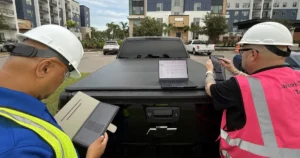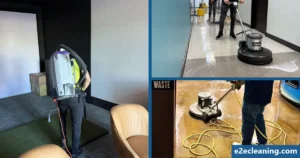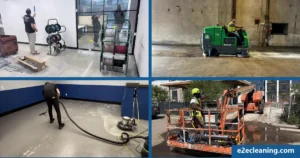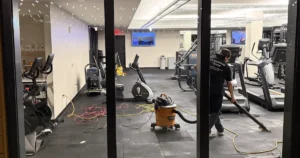
Pressure washing a building that is still open puts water, spray, and wet pavement in the same space as customers, tenants, and deliveries. Before you approve the job, confirm the work is allowed, find where water could get inside, and decide how people will walk around each work zone.
Those three decisions belong in the written scope before anyone books a date. This commercial pressure washing checklist helps a property manager settle them, especially when customers, employees, or tenants will remain onsite.
Is pressure washing allowed at your property right now?
Pressure washing pushes water across a surface at high pressure to lift off dirt, mold, and buildup. The job needs a steady flow of water, and the used water has to go somewhere. On an occupied property, it reaches the doorways, walkways, and parking areas that people are still using.
Tampa regulates both how much water a job uses and where the used wash water can go, so a clear understanding of the regulations that affect the work comes before routes and tenant notices.
On October 24, 2026, the pressure washing section of the City of Tampa’s watering days and hours page said that annual pressure washing done only for appearance was not allowed.
It still allowed washing to prepare a surface for painting or sealing, and washing hard surfaces when necessary, such as to keep a warranty valid or to remove mold or other hazardous material that a broom or leaf blower cannot clear.
The City also says that wanting the property to meet an HOA or other appearance standard is not a reason to call a wash necessary maintenance. What counts is the condition of the surface. Mold that a broom cannot clear qualifies. A building that simply looks tired does not.
Those are the City of Tampa’s requirements. If your property sits outside city limits, even with a Tampa mailing address, ask the local authority or your water utility what applies there. Keep the answer with the scope, and check again before the crew shows up.
Walk both sides of every entrance
Once the work is allowed, the next question is where the water could get inside. Entrances come first, because water that runs toward a door can end up on the floor inside.
Check the inside of each entrance as carefully as the outside: a closed door may still have gaps at the threshold, worn weatherstripping, or a low spot that directs water toward carpet.
Before the crew arrives, photograph each entrance and note the floor finish just inside the door.
Look for loose seals, damaged joints, nearby glass, and electrical fixtures, and get any repairs done before the wash date.
If one cannot be finished in time, leave that entrance out of the job.
Agree on protection with the contractor, following the guidance of the door, coating, and surface manufacturers, because an improvised barrier may not hold up against the planned method. Decide in advance what counts as water getting in, and who can stop the job or change the plan.
If the glass needs a detailed clean, list commercial window cleaning as its own scope item. Do not assume an exterior rinse covers it.
Decide whether the building can stay open
The last of the three decisions is how people will move around the work. Keep the building occupied only where a workable access plan supports it.
Draw the cleaning zones and a usable route for customers and staff, including people using mobility devices.
Review required exits with whoever manages the building’s safety plan; a convenient alternate door may not be an acceptable replacement.
Hoses, spray, and wet pavement can affect routes beyond the area being cleaned. Specify barriers and signs, who monitors the boundary, and when each route can reopen.
A cone beside a doorway does little if arriving customers cannot see another way in.
OSHA’s walking-working surface standard addresses safe employee access, wet-process drainage, and correction or guarding of hazards. It supports planning around wet surfaces; it does not certify a site’s public-access or accessibility arrangements.
If the only usable entrance cannot remain protected, discuss a closure window or a smaller scope before booking.
Give tenants and deliveries a usable notice
A usable notice says:
- Which entrance or loading area is affected
- The expected work window
- The alternate route
- Whom to call if access fails
Send it to the people who will actually be there, not only the leaseholder: opening staff, security, and delivery contacts.
Before the work starts, also settle these:
- Authorized water access, and any building systems that need coordinating
- A manager and a contractor contact who can stop the work if conditions change
- A weather plan, so staff know who decides whether to delay
Settle the wash-water plan onsite
Trace where water will travel before equipment arrives. Locate storm drains, pavement slopes, and low points near doors.
Identify contamination that could change handling requirements, such as oil or chemical residue.
The City of Tampa says local ordinances make it illegal to dispose of any pollutants to the storm sewer.
A nearby drain is not an approved disposal plan.
Ask the contractor to describe site-specific containment, collection where needed, and lawful disposal.
Confirm who is responsible and what happens if runoff escapes the planned area. Do not assume that a detergent label or the absence of detergent makes discharge acceptable.
Method selection belongs in that discussion too. Match it to the actual material and manufacturer instructions rather than requesting one pressure setting for the whole property.
E2E’s pressure-cleaning equipment guide covers the equipment side.
Use one planning sheet for each work zone
Put the answers in writing before you approve the job. Fill out one sheet for each work zone, and make a separate copy for each entrance, sidewalk, or loading area with different conditions.
| Check | Record before approval |
|---|---|
| Area and purpose | Exact location, condition, and reason washing is needed |
| Requirements check | Which jurisdiction covers the property, the current requirement, the date you verified it, and any open questions |
| Access | Work boundary, alternate route, exits, notices, and delivery arrangements |
| Protection | Door defects, interior flooring, surface instructions, exclusions, and stop-work trigger |
| Runoff | Drain locations, water path, handling method, disposal, and responsible contact |
| Signoff | Manager, contractor contact, reopening checks, and outstanding items |
Inspect before reopening the zone
Walk the area with the designated contact before removing barriers. Check interior thresholds and carpet, remaining puddles or residue, displaced mats, and whether the intended route is ready for use. Compare any concerns with the pre-work photos.
Document unfinished work and keep affected areas controlled until the responsible person approves reopening. Cleaning completion and access handback are separate decisions.
For commercial pressure washing in Tampa, bring these questions to the quote discussion. Request a free quote from E2E Cleaning Services or call (813) 819-0221. Share the property address, cleaning purpose, operating hours, and entrances that must remain accessible. Scope and scheduling require confirmation.